
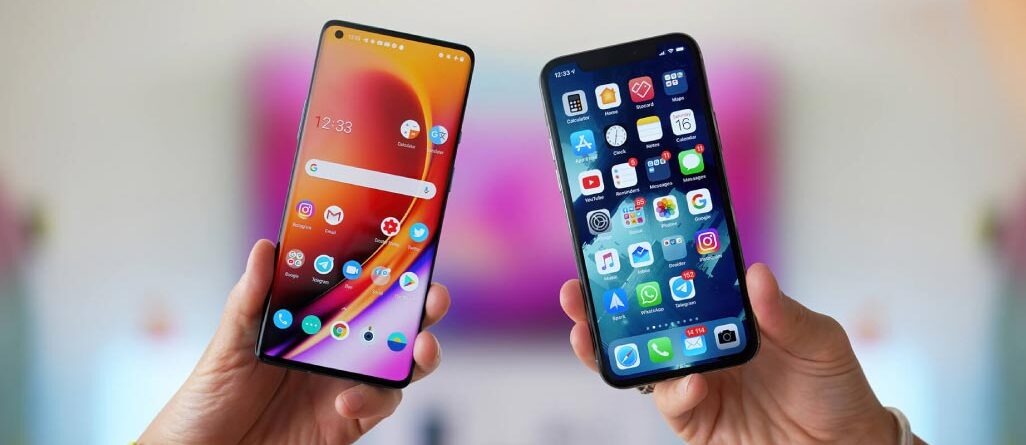
Android vs. iPhone: Choosing the Right Smartphone for You
Android vs. iPhone: Choosing the Right Smartphone for You
When it comes to smartphones, two dominant players in the market are Android and iPhone. Each platform has its strengths and weaknesses, making it essential to understand their differences to choose the right device for your needs. In this blog post, we’ll compare both operating systems and help you decide which is the best fit for you.
User Experience
iPhone offers a streamlined and intuitive user experience with its iOS operating system. The interface is designed for simplicity, making it easy for users to navigate. Regular software updates ensure that even older devices receive the latest features and security patches, keeping the experience fresh.
On the other hand, Android is known for its customization options. Users can personalize their home screens, choose default apps, and even install custom ROMs. This flexibility is appealing for tech-savvy users who want a tailored experience.
App Ecosystem
Both platforms boast a wide range of apps, but the Apple App Store is known for its stringent quality control, often resulting in higher-quality apps. Developers frequently launch their apps on iOS first, so users may access new features and apps earlier.
Android’s Google Play Store offers a broader selection of apps and allows for greater variety, including those that are not available on iOS. However, this openness can sometimes lead to a less consistent app experience.
Hardware Options
iPhones are available in a limited range of models, ensuring consistent performance and quality. Apple controls both the hardware and software, leading to a harmonious user experience.
Android, however, offers a vast array of devices from various manufacturers, providing options at different price points and specifications. Whether you’re looking for a budget device or a flagship model, Android has something for everyone.
Security and Privacy
Apple places a strong emphasis on security and privacy. Features like Face ID, Touch ID, and robust encryption make iPhones a secure choice. Apple’s commitment to privacy is evident in its policies regarding data collection and usage.
Android devices vary in security, depending on the manufacturer. While Google has made significant improvements with features like Google Play Protect, users may need to be more vigilant about app permissions and updates on some devices.
Conclusion
Choosing between an iPhone and an Android device ultimately depends on your preferences and needs. If you value a simple, cohesive user experience and top-notch security, an iPhone may be the right choice for you. However, if you prefer customization and a wide variety of hardware options, an Android device may be more suitable.
For the latest iPhones and other Apple products, visit Mr. Apple Kenya at mrapple.co.ke to explore your options and find the perfect device for your lifestyle!


LEAVE A COMMENT